
Powering LED processors 000%
Now booking Q3 production calendars — tell us about your next launch. Start a project
01 // Technologies

The systems behind the show.

Documented, redundant and rehearsed. Every platform we deploy is specified, tested and handed over with drawings.

01 // Platform

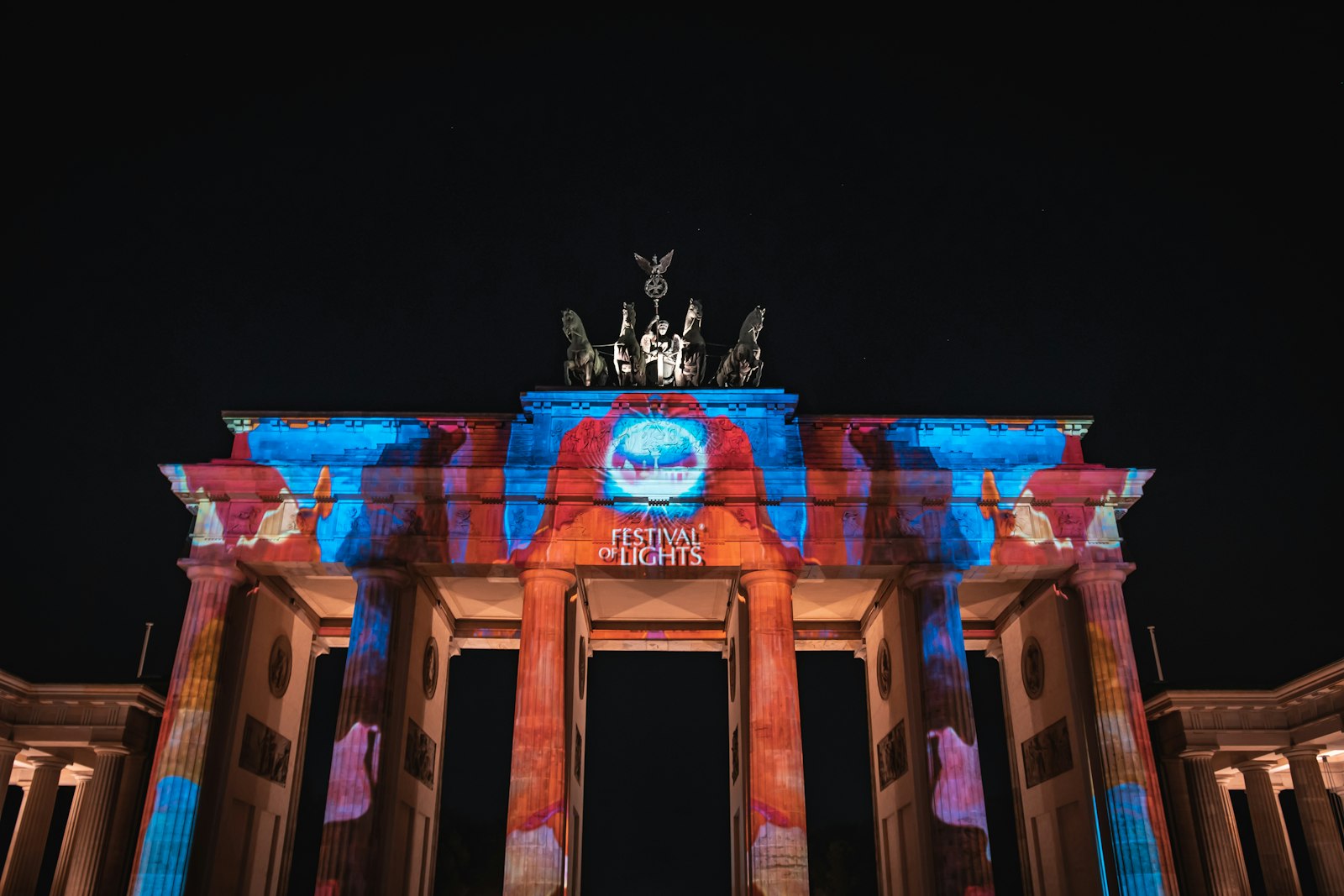
Projection Mapping

Surfaces measured in 3D, projectors blended to the millimetre, content mapped to the real geometry of the room.

We survey the surface first — a façade, a set piece, a curved screen or an object on stage — then build a projector plot that keeps brightness even across the whole shape. Warping and edge blending are done on site against a test grid, and the final pixel map is handed over as a file, so the same show can be rebuilt later without starting again.

Media is created for that map rather than squeezed into it, with a spare signal path and a fallback source for every blend region. Rehearsals include a full blackout-to-show pass, so alignment and colour are checked under the same conditions the audience will see.

  • 3D surface survey and projector plots
  • Edge blending and warp alignment on site
  • Content built to the final pixel map
  • Spare signal path per blend region
02 // Platform

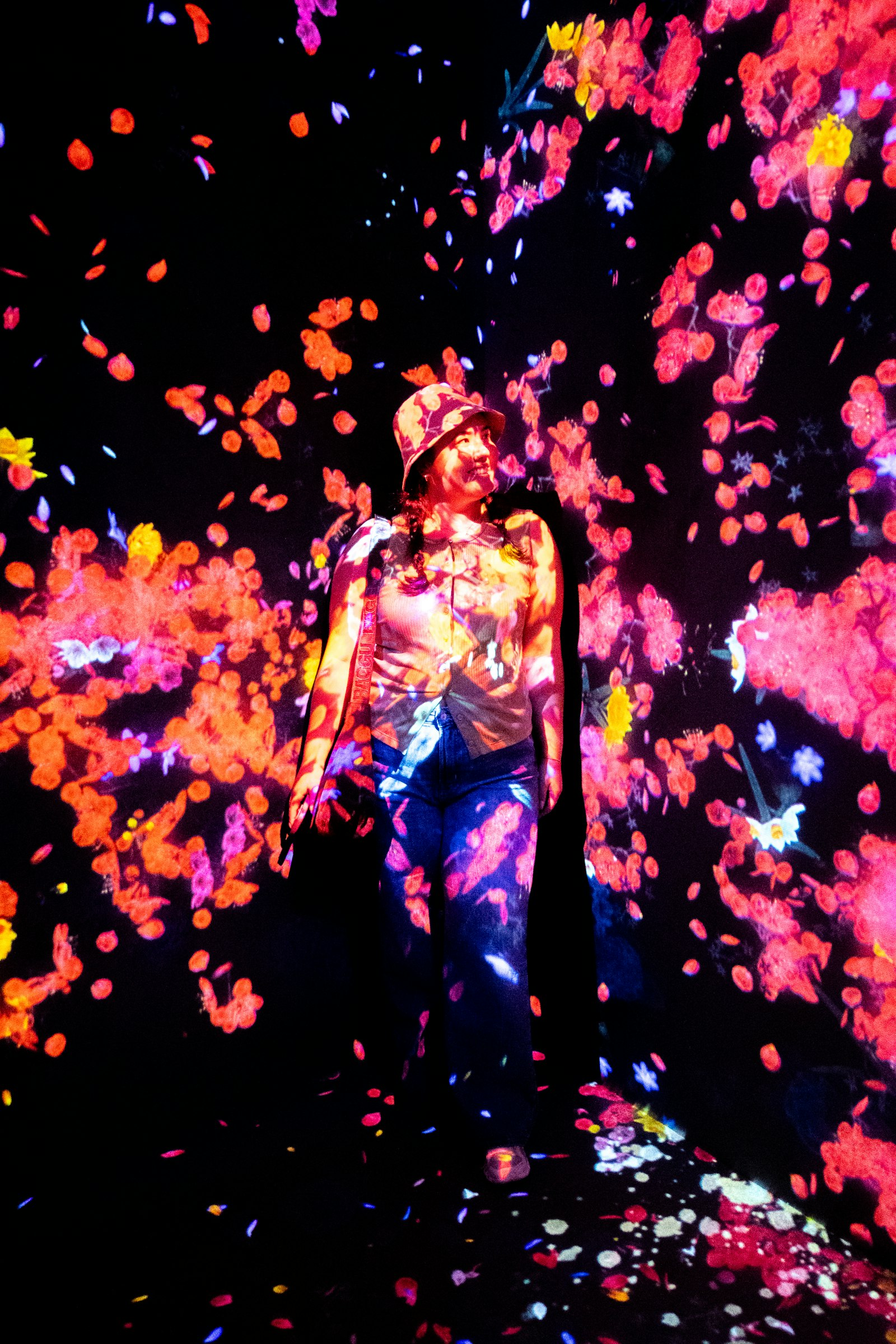
Interactive Experiences

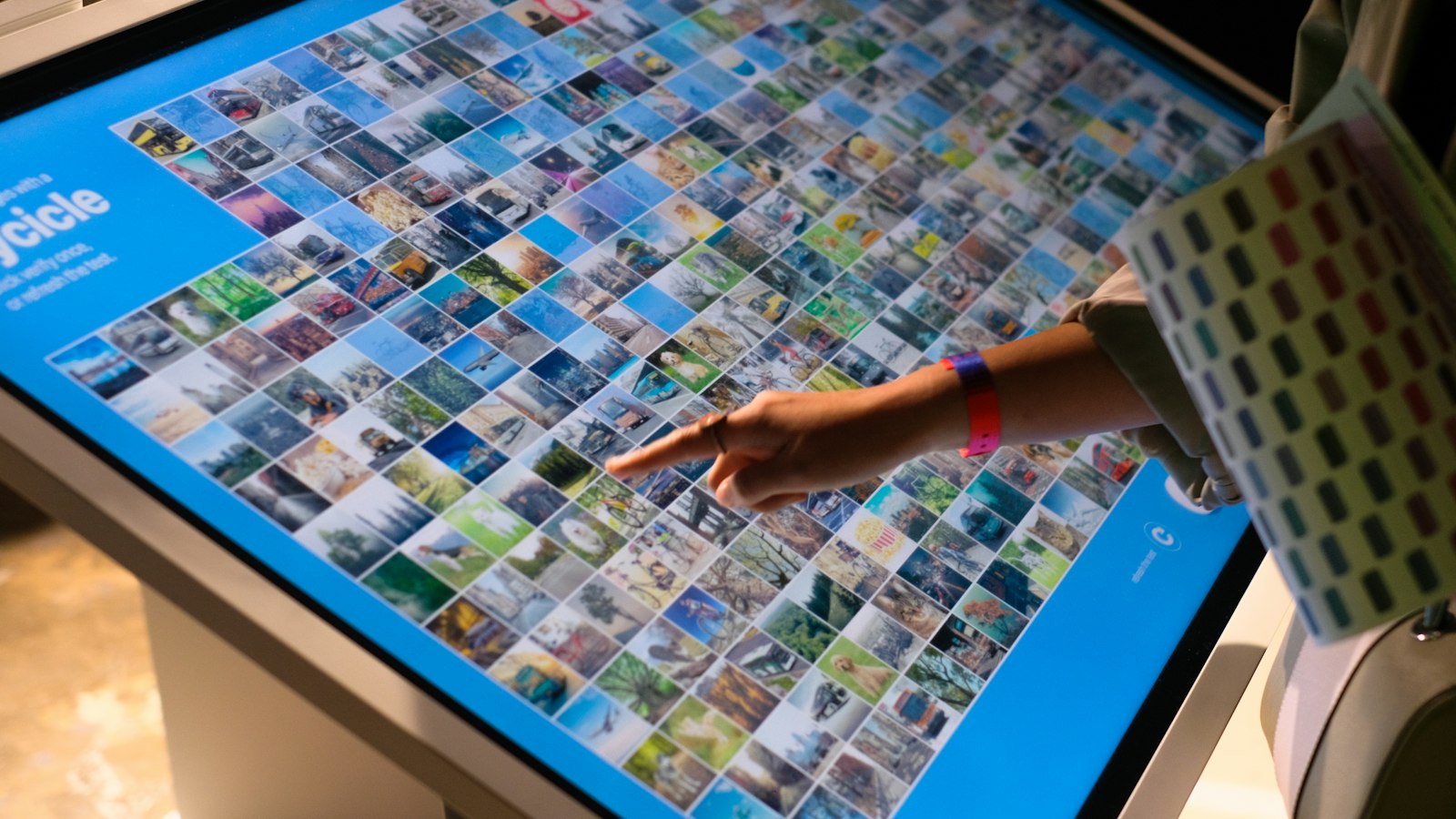
Motion tracking, touch walls and AR layers that let visitors drive the moment instead of watching it.

Interactive work starts with the behaviour, not the hardware: what a visitor does, what the system answers, and how quickly it has to answer. Tracking volumes and touch surfaces are tested in the studio before they are installed, then tuned on site with real visitors standing in front of them.

Each installation runs on dedicated machines with a watched runtime routine, and every interaction has a calm resting state — so an empty stand still looks intentional. Calibration steps, spare sensors and a short operator guide are part of the handover.

  • Optical and depth-sensor motion tracking
  • Touch and pressure-sensitive walls
  • AR layers through phone or on-screen camera
  • Watched runtimes with a defined fallback state
03 // Platform

Custom LED Structures

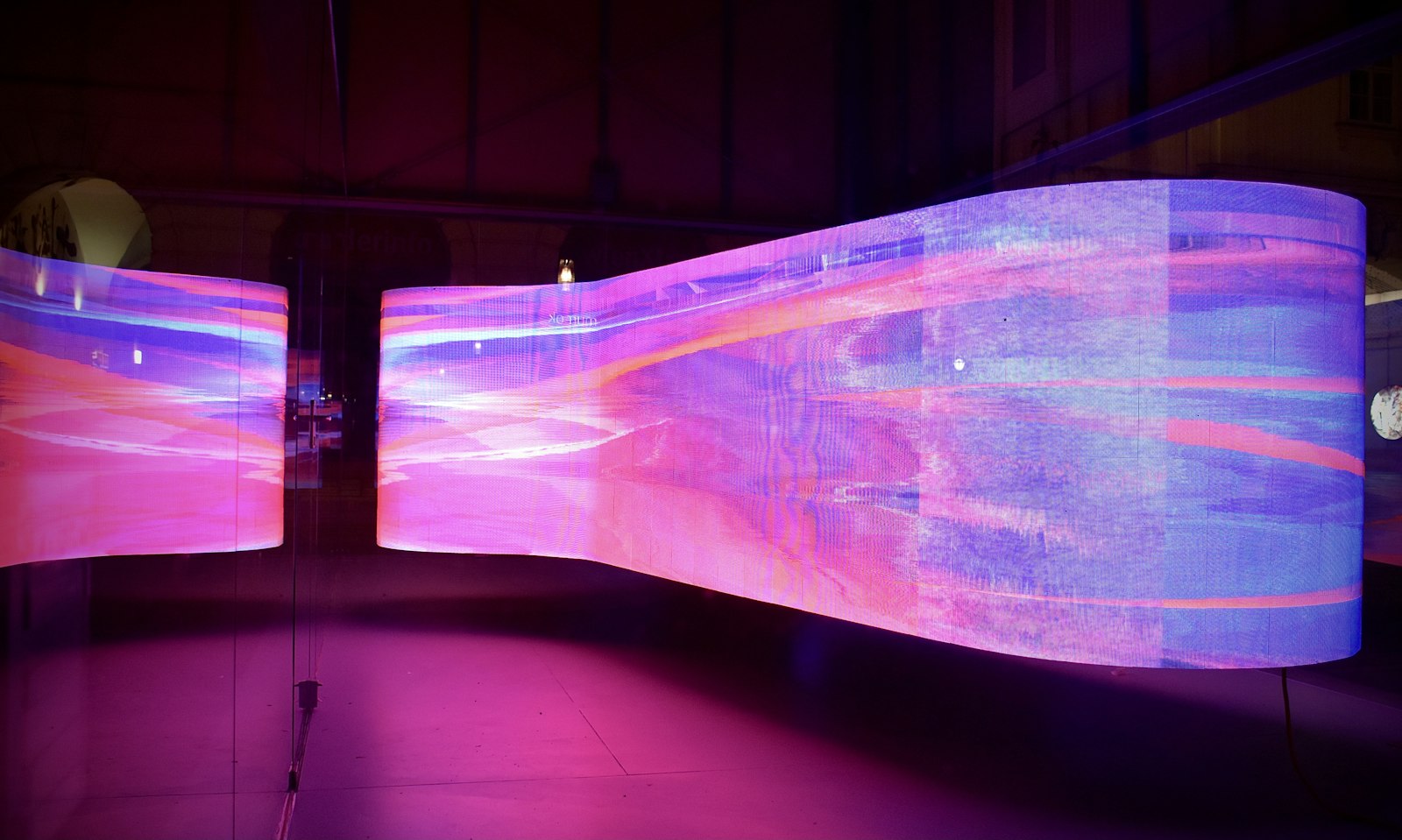
Curved, cube and kinetic LED builds, LED floors and ceilings — engineered, dry-built and pixel-mapped before load-in.

An unusual LED shape is a structural question before it is a video question. We agree the frame, cabinetry tolerances and service access with the fabricator, then map content to the real pixel grid so a curve or a cube corner reads as one continuous surface instead of a seam.

Floors and ceilings get load ratings, walkable panel surfaces and quick-swap modules. Processors, backups and spare tiles travel with the build, and the whole rig is dry-built in the shop so site time is assembly and alignment only.

  • Curved
  • corner and cube cabinets
  • Walkable LED floors and ceiling panels
  • Pixel mapping with a spare processor
  • Shop dry-build before every load-in
04 // Platform

Stage Automation & Kinetics

Motorised hoists, kinetic lighting and moving scenery, cued from the same timeline as sound and video.

Movement on stage is planned like any other lifting operation: load calculations, speed profiles, limit positions and a documented emergency stop. Kinetic elements are certified, tested empty and rehearsed with the crew before anyone stands underneath them.

Cues live in the show-control layer, so a travelling truss, a rotating set piece and a lighting state can be fired by one timecode event. Position feedback is logged during rehearsal and the run sheet lists every move with its travel time and hold points.

  • Motorised hoists and winch systems
  • Kinetic lighting and rotating scenery
  • Timecode-cued movement with interlocks
  • Rehearsed emergency stop procedure
05 // Platform

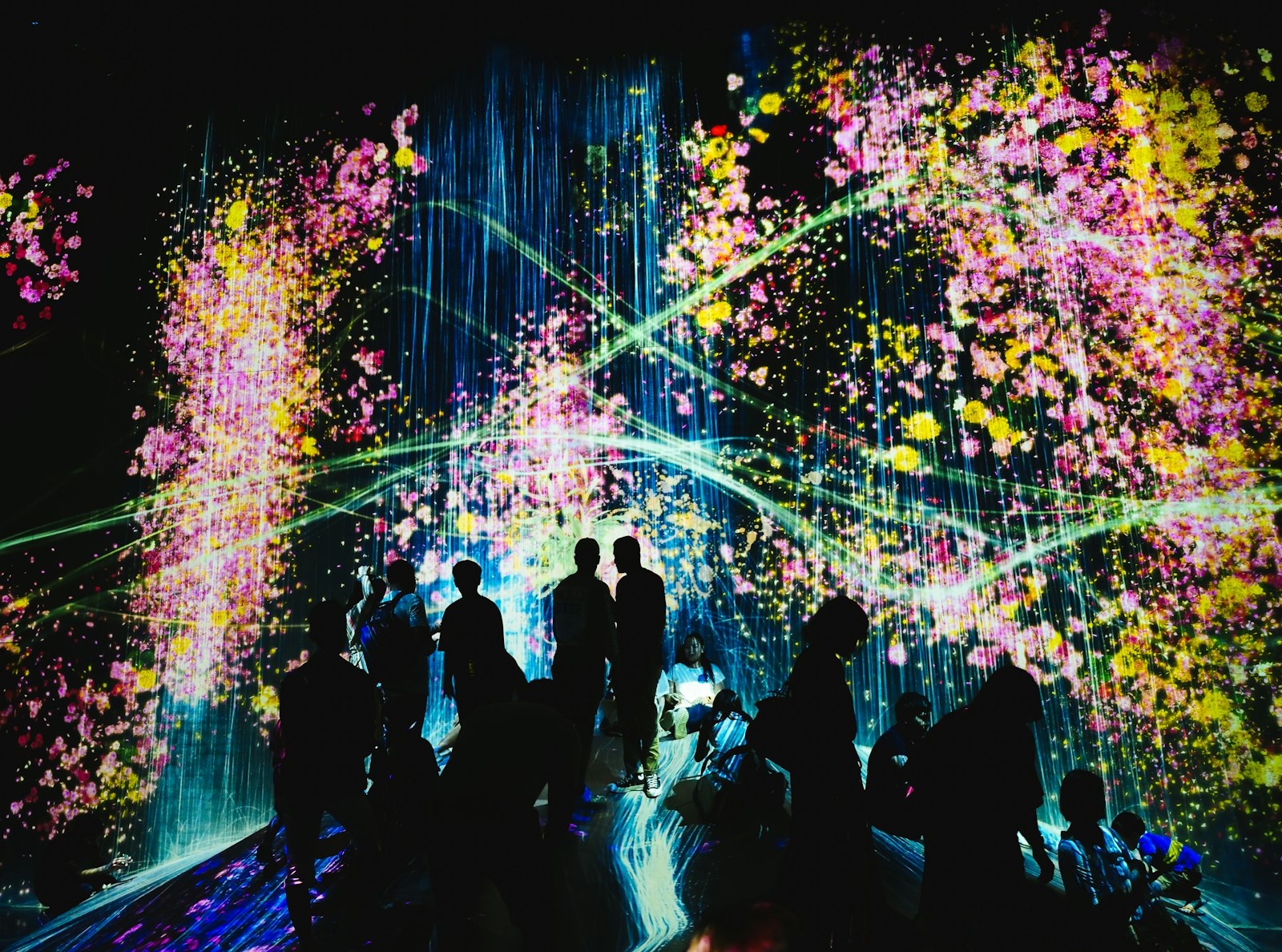
Immersive Rooms & Holographic Displays

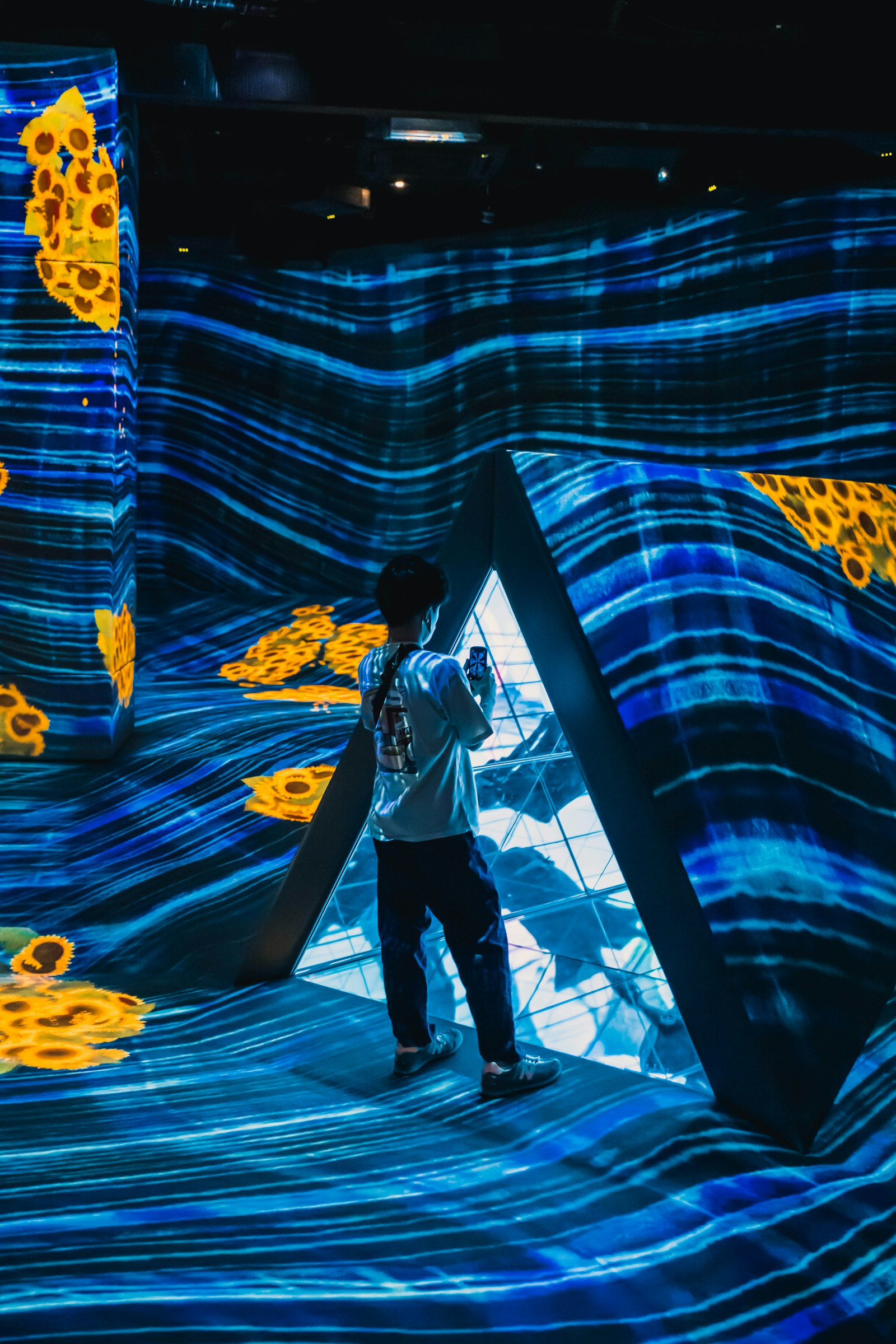
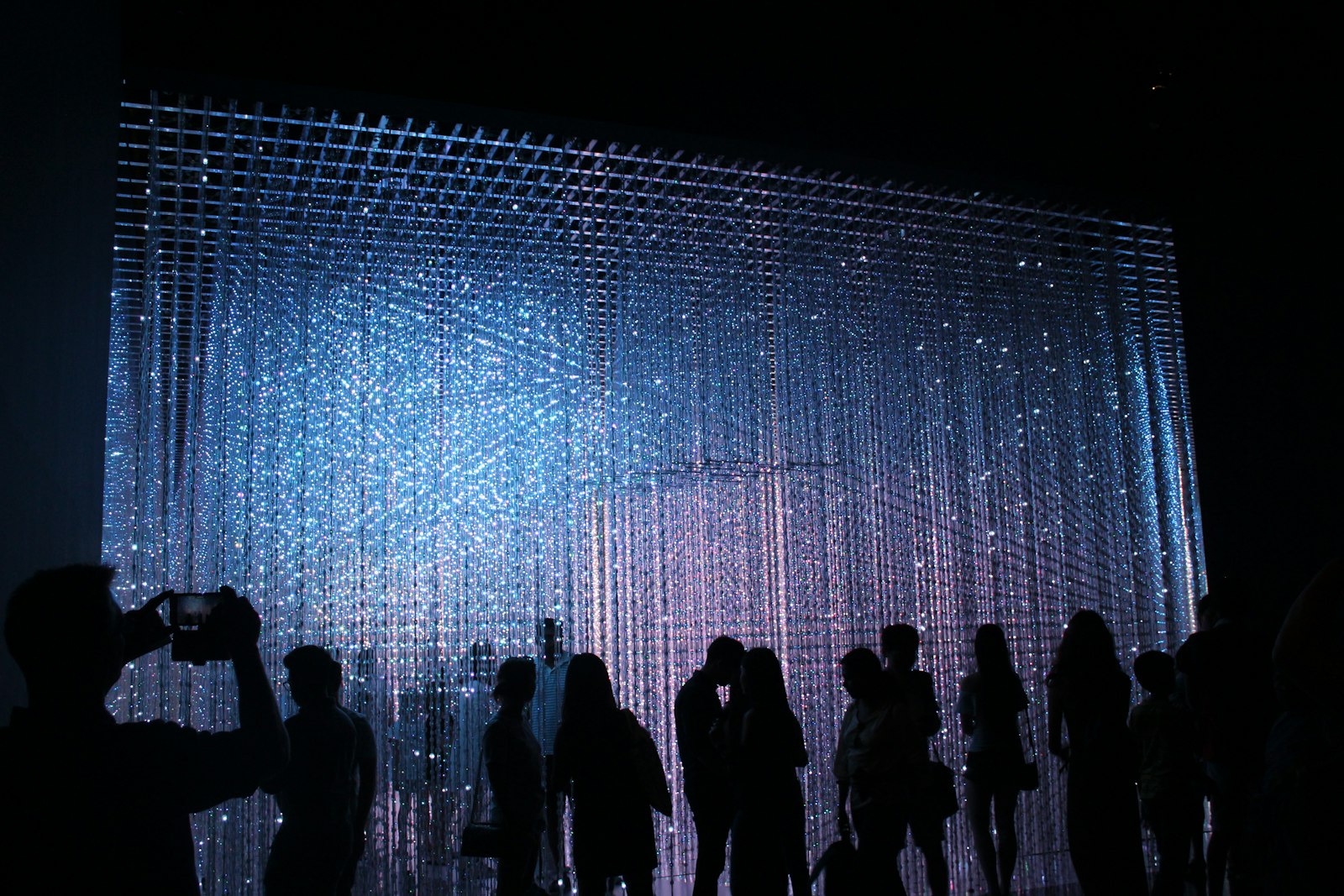
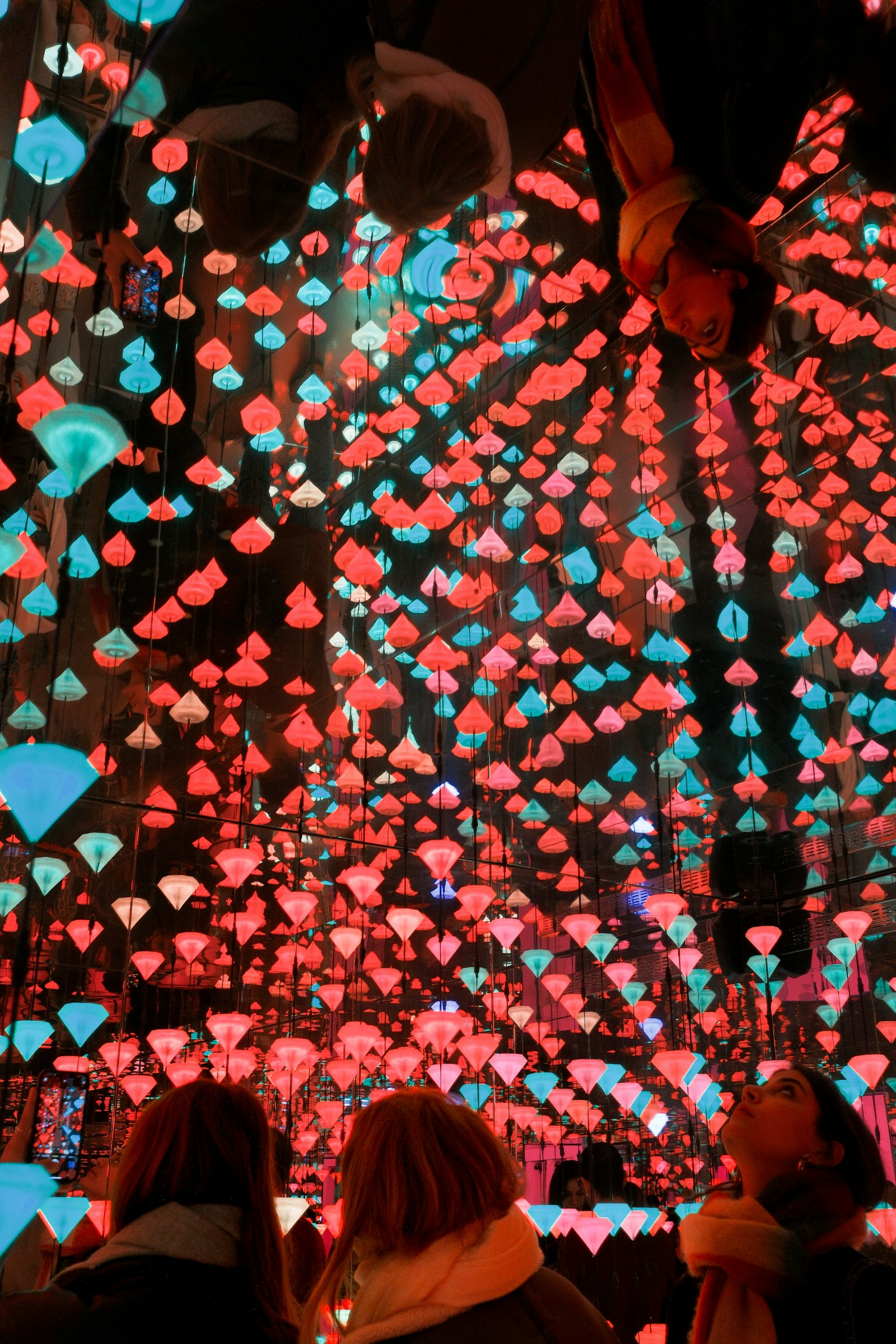
Rooms where walls, floor and projection work as one surface, plus transparent displays for objects that should appear to float.

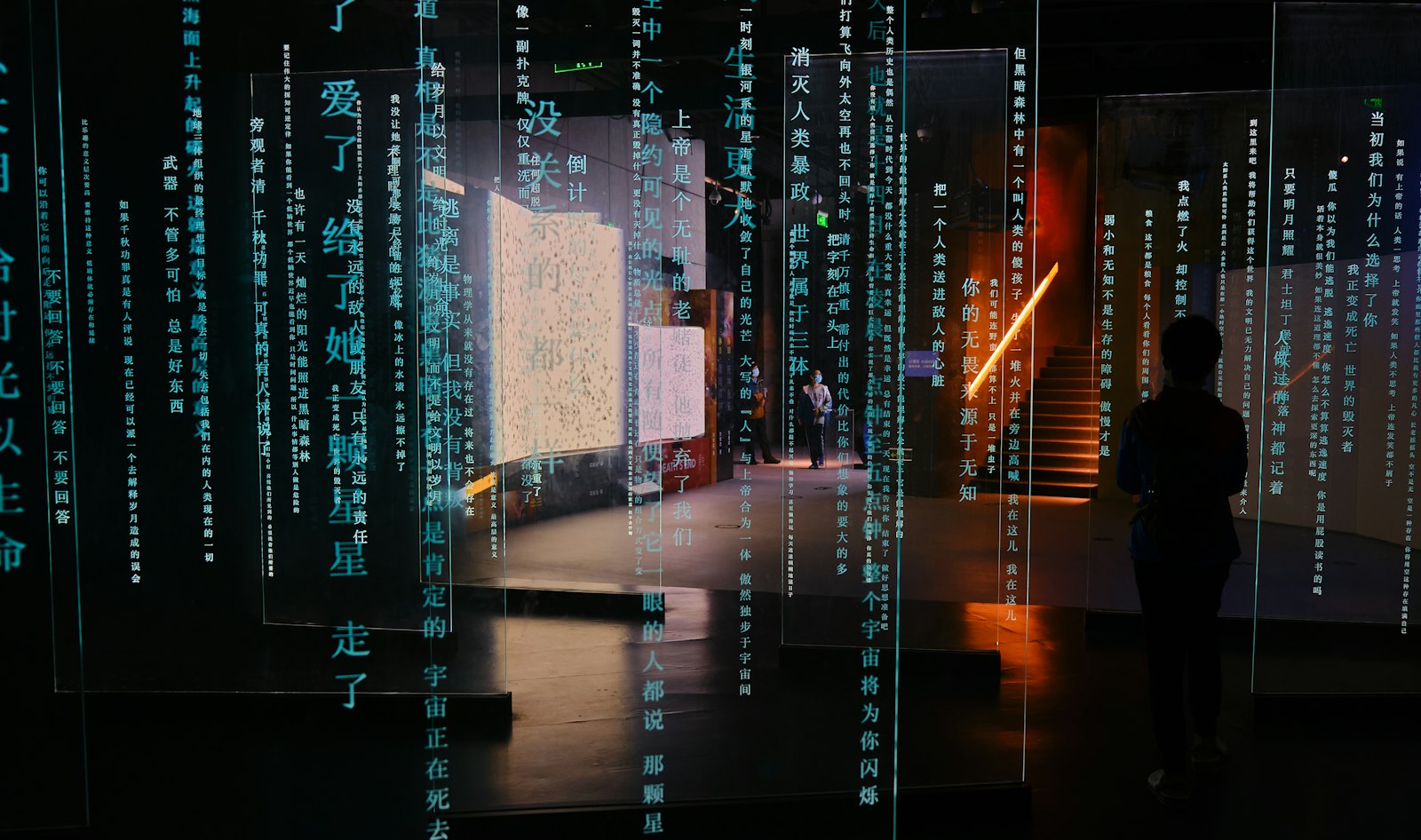
An immersive room is a geometry problem: sightlines, reflections and the angle a visitor stands at. We model the space, choose the wall and floor treatment, and tune brightness and black level so the seams between surfaces disappear from the doorway.

Transparent and holographic displays are calibrated for the light in the room and framed so the object reads from the intended viewing band. Playback runs from a single control layer with a manual override for guided tours and press moments.

  • Multi-surface wall
  • floor and ceiling builds
  • Blend
  • warp and colour matching
  • Transparent and holographic display rigs
  • Single playback layer with manual override
06 // Platform

Laser & Special Effects

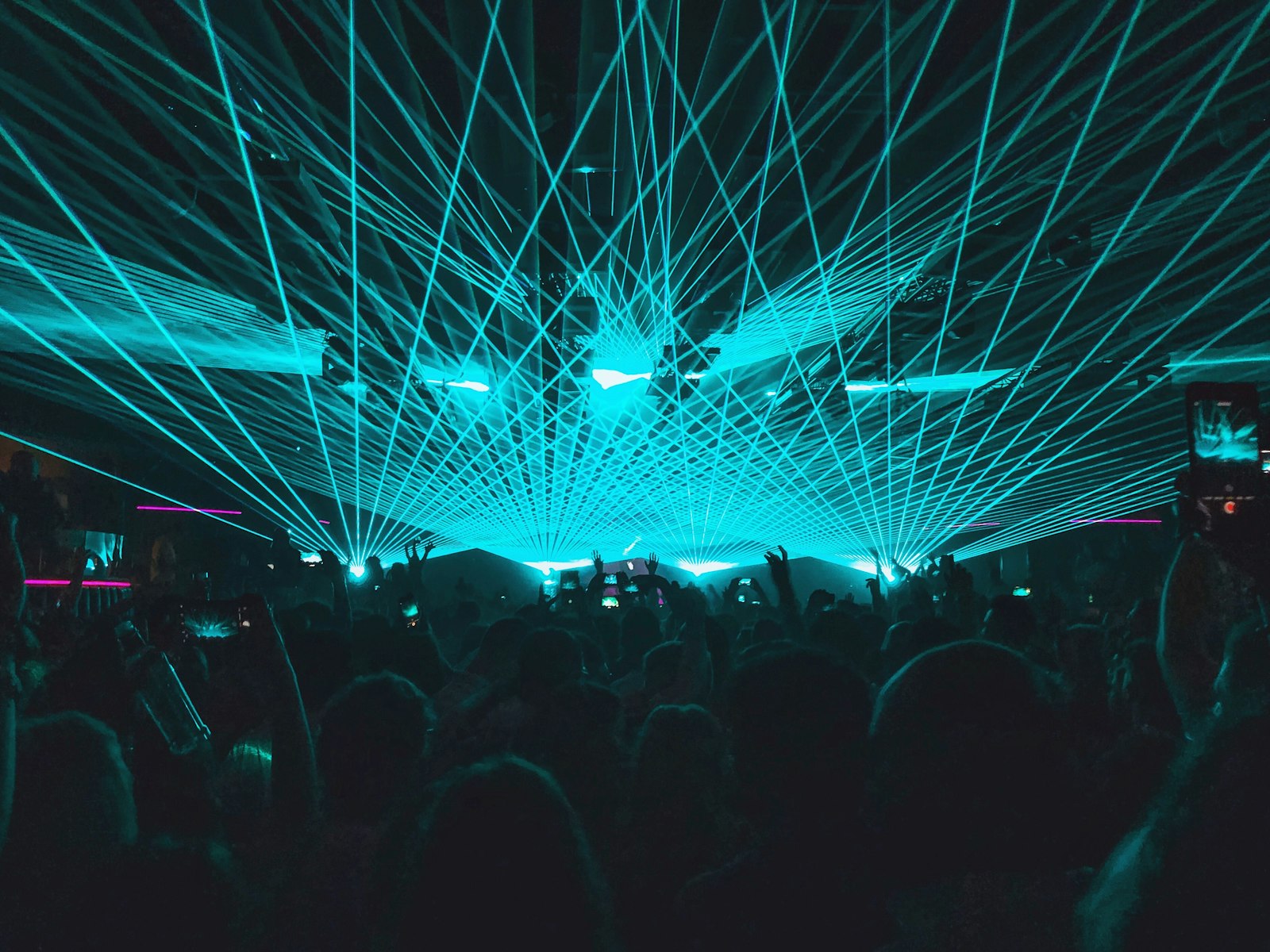
Laser, haze, flame and confetti effects specified with the venue, permitted in writing and rehearsed on site.

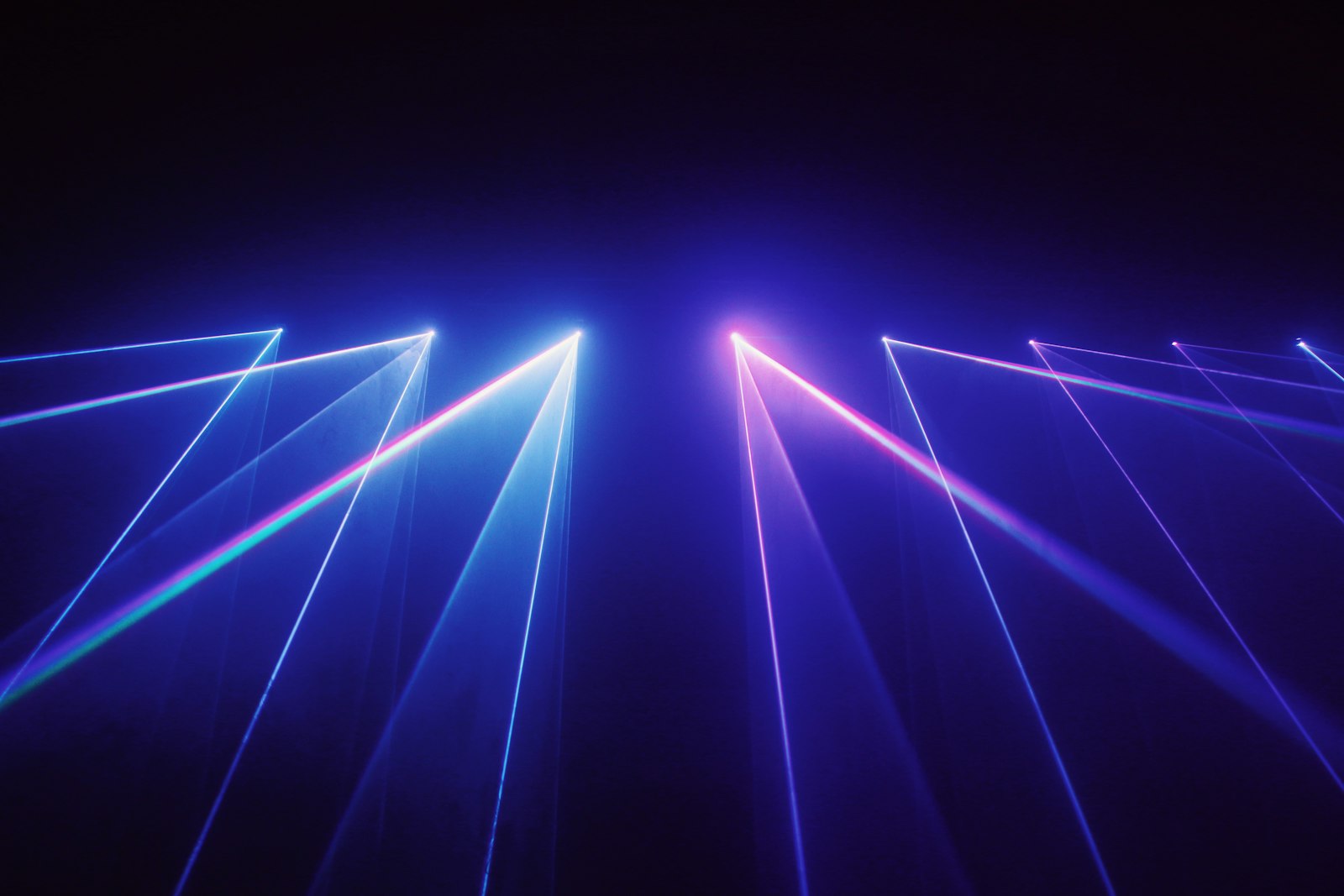
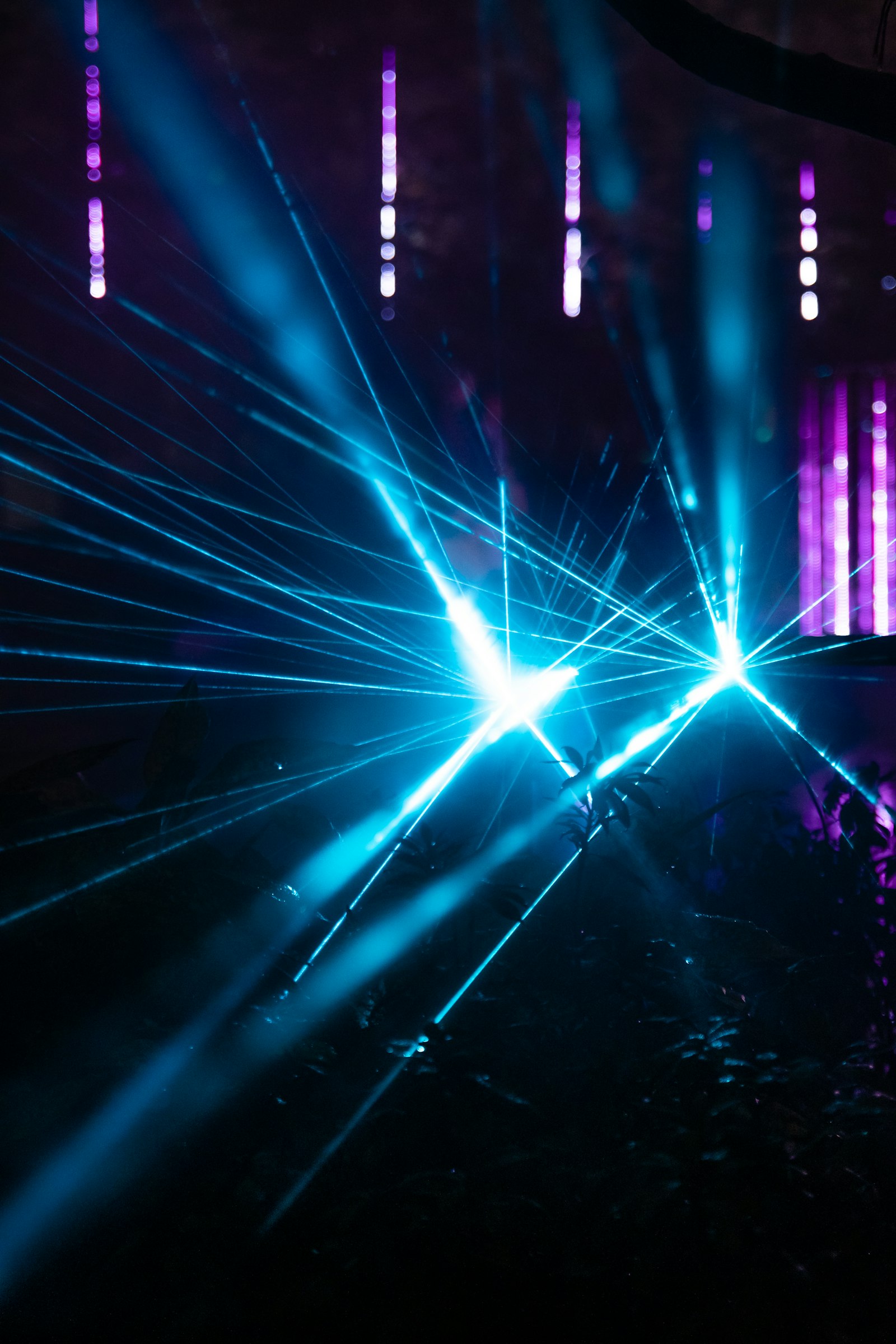
Special effects are as much paperwork as technology. We survey the room, calculate safe zones and audience distances, and submit the drawings for approval before anything is flown, fired or switched on.

On site the effects are aligned, tested at full output in a closed rehearsal and then run from the same cue stack as the rest of the show. Extraction, wind and heat are agreed with the venue so haze reads evenly and nothing sets off a detector mid-show.

  • Laser show design and safety calculations
  • Haze
  • low fog and atmospheric effects
  • Flame
  • CO2 and confetti cues
  • Closed-rehearsal testing and permits
07 // Platform

Pixel Mapping (MADRIX)

LED tubes, strips, pixel bars and dot-matrix ceilings mapped in MADRIX 5 and driven over Art-Net or sACN from the lighting control layer.

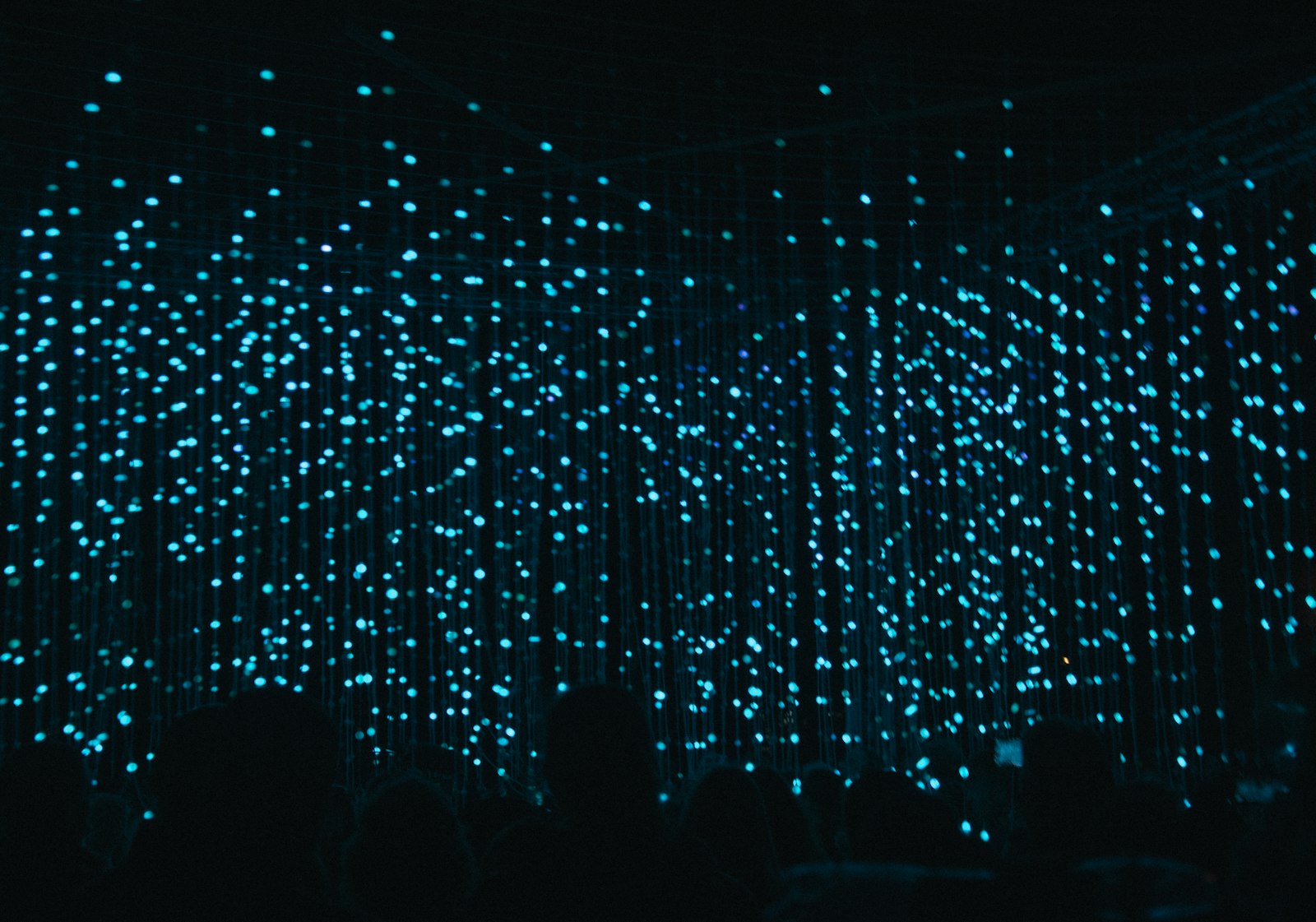
Pixel mapping turns a run of LED tube, a strip or a whole ceiling into a lighting fixture with a real pixel count. Every run is patched in MADRIX 5 to its position in the map, so an effect can travel across the installation as one movement instead of repeating panel by panel.

The universes leave the control machine through MADRIX LUNA, MADRIX STELLA and MADRIX ORION nodes on a managed Art-Net or sACN network with fixed IP ranges and labelled ports. The map and the show file are handed over, so a replacement machine is loaded and running in minutes.

  • MADRIX 5 mapping for tubes
  • strips and bars
  • MADRIX LUNA
  • STELLA and ORION network nodes
  • Art-Net / sACN patching with a documented network
  • Show file
  • fixture profiles and map handed over
08 // Platform

LED Processing

NovaStar, Brompton, Colorlight and Megapixel processing — brightness, colour and frame sync with a spare path on every large build.

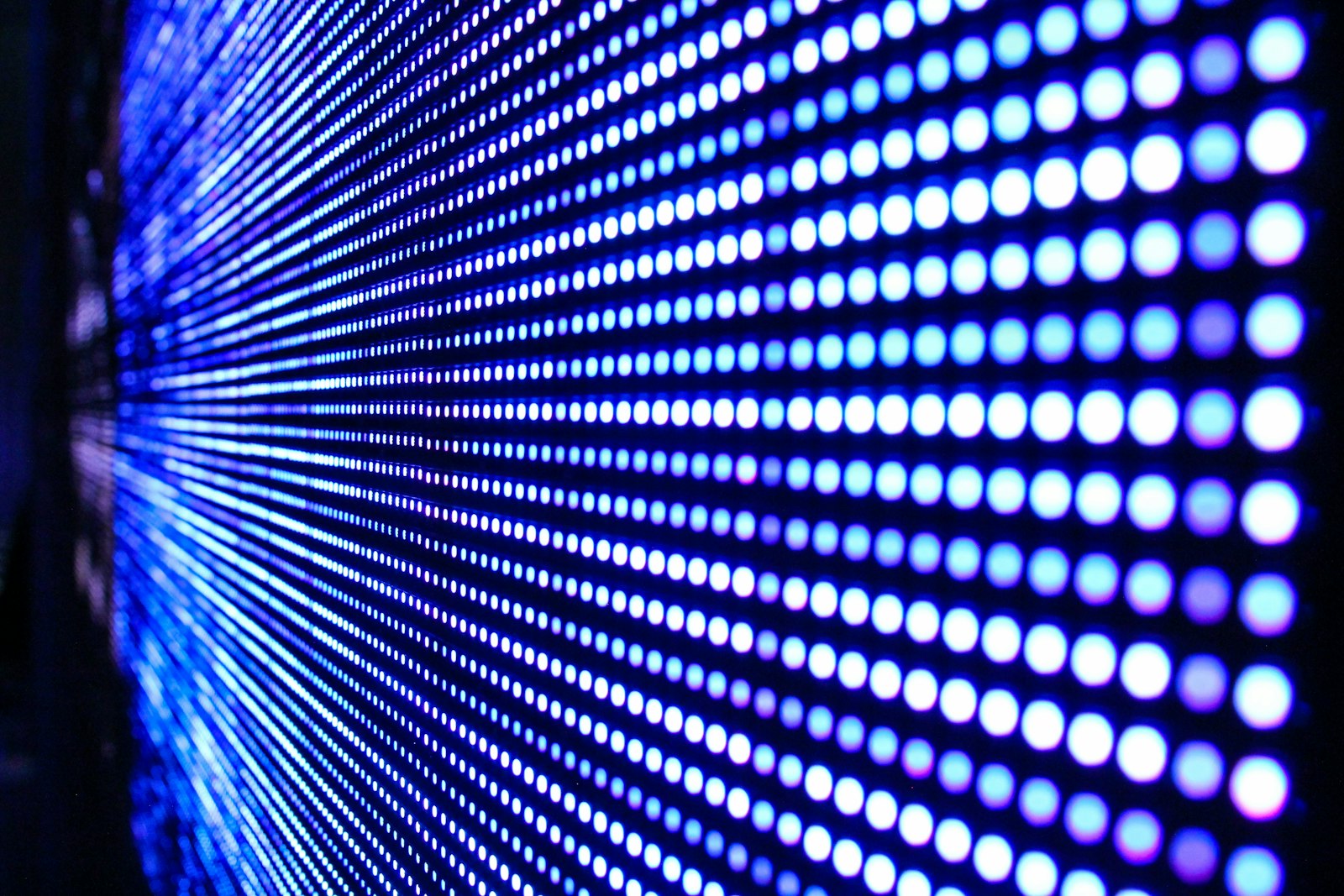
The processor is what makes an LED surface look like one screen rather than a wall of cabinets. We specify by surface and pixel pitch: NovaStar MX40 Pro and COEX VX1000 on large stage builds, Brompton Tessera SX40 and S8 with Tessera G1 receivers where colour accuracy and camera performance matter, Colorlight Z6 on architectural runs and Megapixel HELIOS where the pixel count and HDR handling ask for it.

Every processor ships with a known-good preset, a documented recovery step and a second output path. On camera-heavy shows the LED is tuned to the shutter, not to the eye: scan rate, brightness ceiling and colour temperature are set with the camera crew in the room.

  • NovaStar MX40 Pro and COEX VX1000
  • Brompton Tessera SX40 / S8 with Tessera G1 receivers
  • Colorlight Z6 and Megapixel HELIOS
  • Camera tuning
  • spare output and recovery procedure
09 // Platform

Media Servers

disguise and Resolume Arena playback that keeps video, mapping and timecode in step, with a second machine on the same show file.

Media servers do the quiet work behind every screen: layers, mapping, warp and timecode, all running to the same clock as the lighting console. We build the show in disguise or Resolume Arena, encode media for playback rather than for archiving, and name every layer and clip after its cue in the running order.

A second machine mirrors the show file and runs on the same timeline, so losing the primary server costs a frame rather than the show. Media servers sit on a UPS, outputs are frame-synced to the processors, and a printed recovery procedure lives inside the rack.

  • disguise and Resolume Arena show programming
  • Timecode and lighting-console sync
  • Encoding
  • layer naming and cue documentation
  • Mirrored backup machine and UPS-backed rack
10 // Platform

Immersive Fitness Lighting

Permanent LED outlines, pixel-mapped ceilings and class scenes for gyms and boutique studios, controlled from a touch panel.

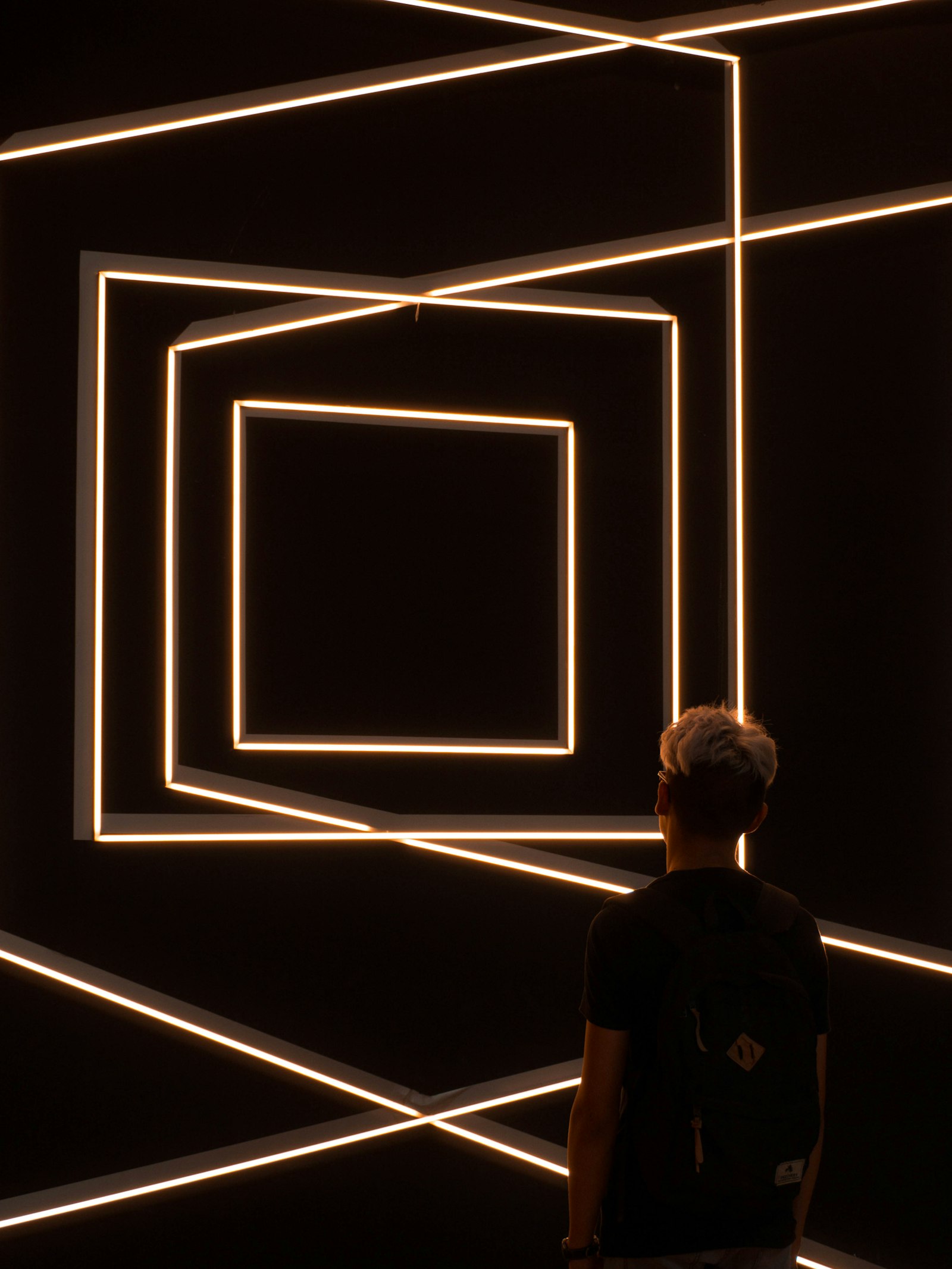
A fitness studio wants the room to change with the class: purple LED outlines at 06:00, a beat-driven pixel ceiling at 19:00. We install the linear LED, the dot-matrix ceiling and the audio as one system, map the ceiling in MADRIX 5 and preset a scene for each class type.

Everything is built for a permanent gym environment — impact-protected profiles, drivers in accessible voids, house and emergency lighting on their own circuits — and handed over with a touch-panel interface the instructors run themselves. A maintenance contract keeps pixels, drivers and show files current.

  • Immersive LED and neon outlines
  • Pixel-mapped ceilings synced to the class audio
  • Spin-studio screens and projection
  • Touch-panel class scenes and maintenance

Want to see the drawings?

Request a technical walkthrough